nitya maṅgaḷa ślokāḥ
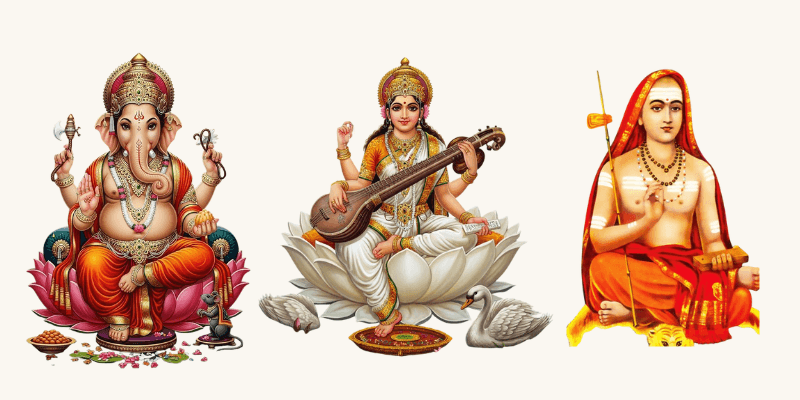
śrī mahāgaṇādhipataye namaḥ. śrī mahāsarasvatyai namaḥ. śrī̱gu̱ru̱bhyo̱ na̱ma̱ḥ. hariḥ om.
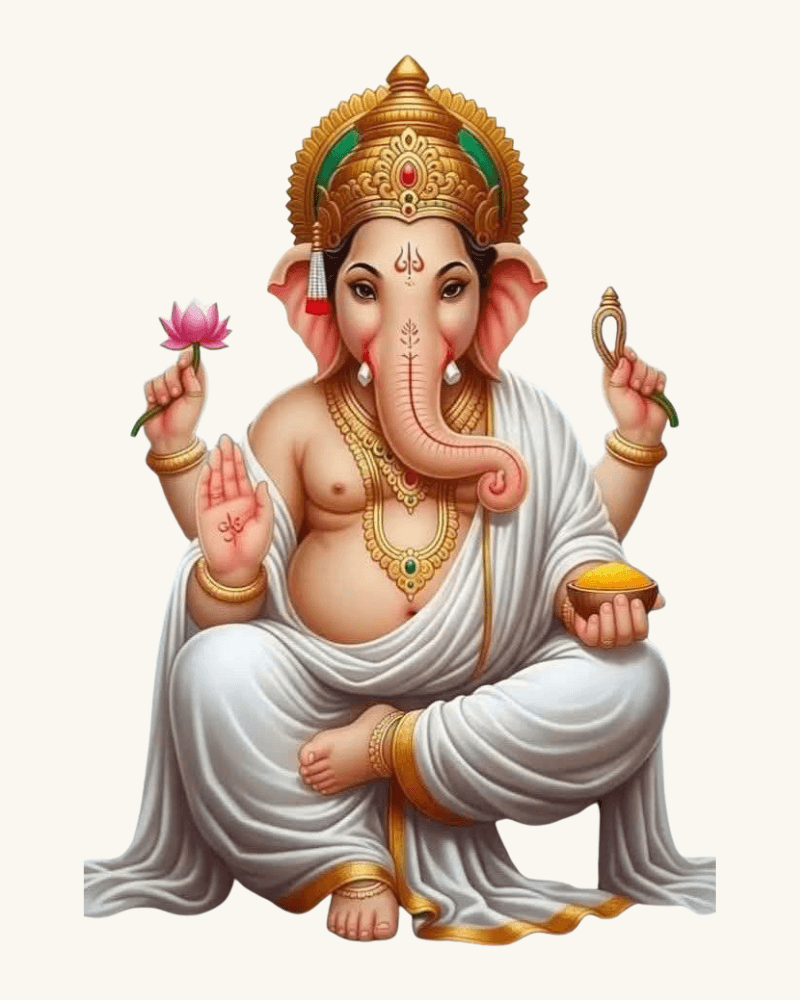
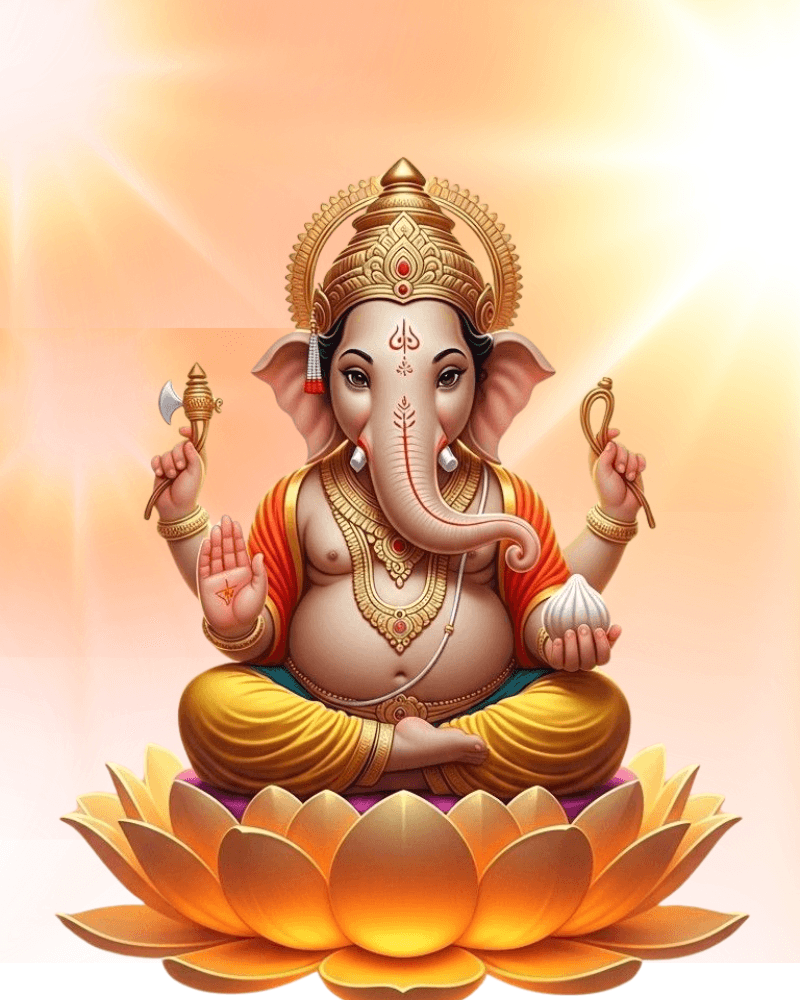
We pray to Gaṇeśa before we start our day or any new work
śuklāmbaradharaṃ viṣṇuṃ śaśivarṇaṃ caturbhujaṃ |
prasannavadanaṃ dhyāyet sarva vighnopaśāntaye ||
śukla – White, ambara – Clothes, dhara – Wearing, viṣṇuṃ – the one who is all-pervading, śaśi – Moon, varṇa – Colour/appearance, catus – Four, bhuja – Arm, prasanna -compassionate or pleasing, vadana - Face, dhyāyet –meditate on, sarva – All, vighna – Obstacles, upaśānta – calmed or appeased.
May we meditate on Gaṇeśa, who is wearing white clothes, who is all-pervading (everywhere at all times), who is bright like the moon, with four arms, with a beautiful, compassionate face; to remove all obstacles or problems in our way.
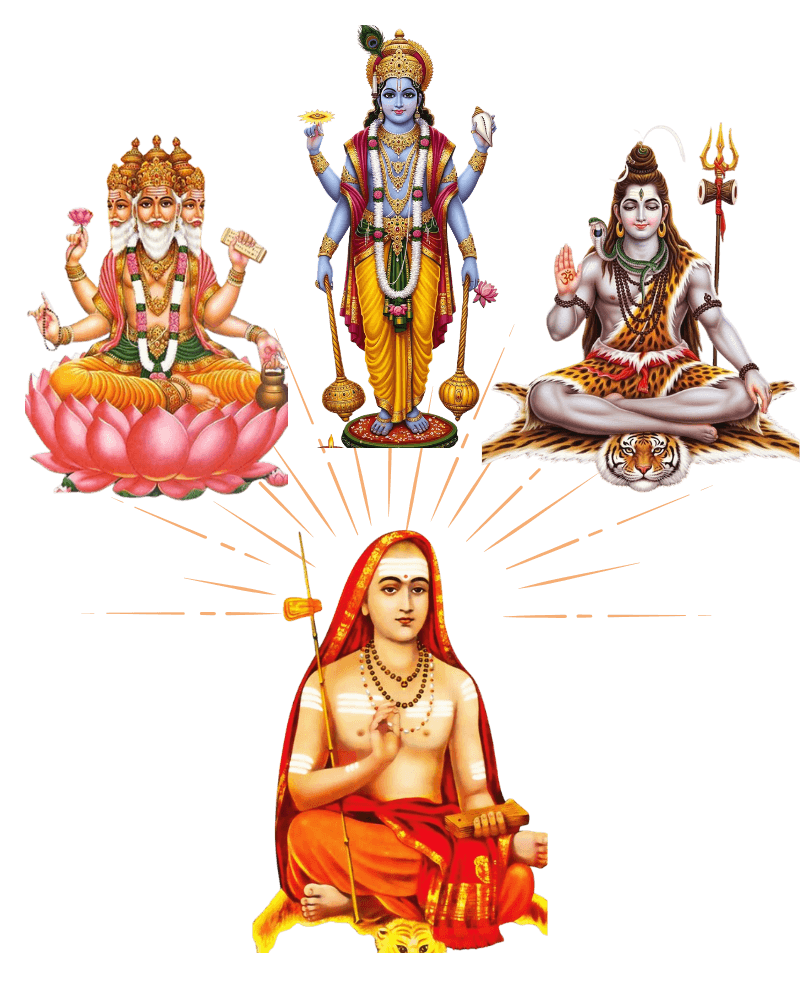
Pray to your Guru
gurur brahmā gurur viṣṇuḥ gurur devo maheśvaraḥ |
guruḥ sākṣāt paraṃ brahma tasmai śrīgurave namaḥ ||
guru – teacher/guide, brahmā – Lord Brahma, the creator, viṣṇuḥ – Lord Vishnu sustainer, devo maheśvaraḥ – Lord Śiva, sākṣāt – directly, paraṃ brahma – the highest truth, tasmai – to that, śrīgurave – revered teacher, namaḥ – salutations
We salute the Guru, who teaches, creates understanding like Brahmā, sustains and protects like Viṣṇu, and removes confusion like Maheśvara (Śiva). The Guru is the one who directly brings us to the highest truth. To that respected teacher, we offer our respect.
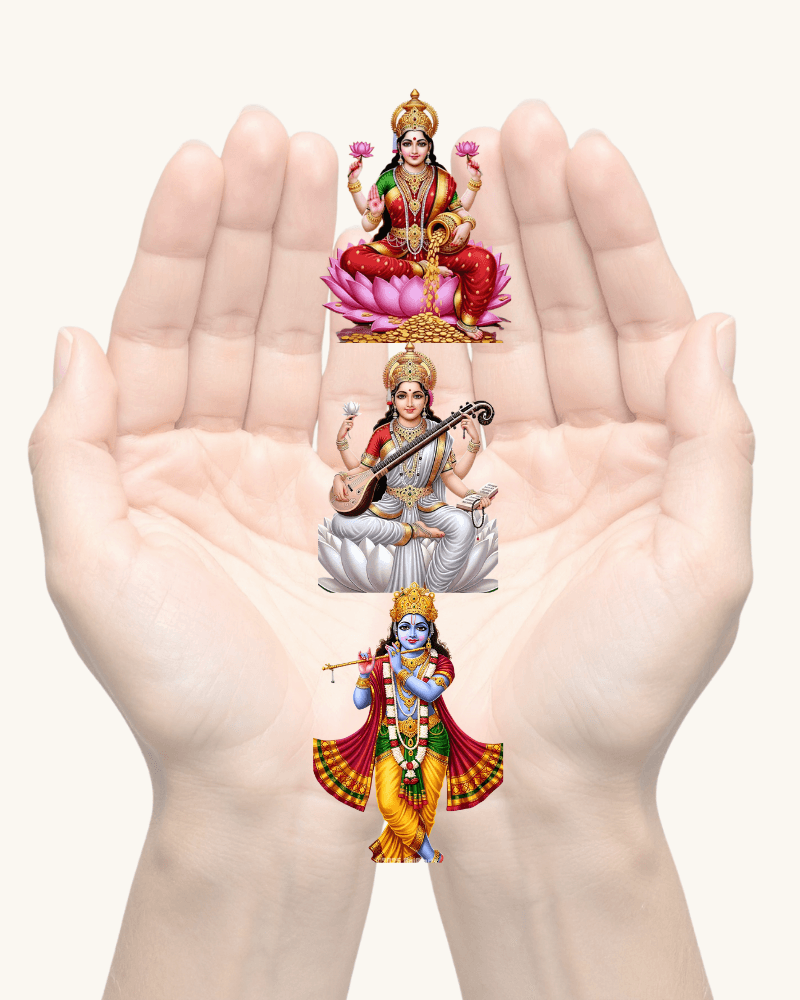
When you wake up, looking at the palms of your hands
karāgre vasate lakṣmī karamadhye sarasvati |
karamūle tu govindaḥ prabhāte karadarśanaṃ ||
kara – hand, agre – on the tips, vasate – resides, lakṣmī – goddess of prosperity, madhye – in the middle, sarasvati – goddess of knowledge, mūle – at the base, govindaḥ – Viṣṇu, prabhāte – in the morning, kara-darśanam – looking at one's hands
At the tips of the hands resides Lakṣmī Devī, in the middle resides Sarasvatī Devī, and at the base resides Govinda or Lord Viṣṇu. In the morning, we look at our palms and pray for their blessings, promising that we'll use our hands for good deeds (dharma) to honour the Gods who live there.
As soon as your feet touch the ground in the morning
samudravasane devi parvatastanamaṇḍale |
viṣṇupatni namastubhyaṃ pādasparśaṃ kṣamasvame ||
samudra – ocean, vasane – whose clothing, devi – goddess, parvata – mountains, stana-maṇḍale – like breasts or raised forms, viṣṇu-patni – consort of Viṣṇu, namas tubhyam – salutations to you, pāda-sparśam – touching (you) with the feet, kṣamasva me – please forgive me
O BhuDevi (Mother Earth), who wears the Oceans as your clothes and whose bosom are the mountains, O wife of Lord Vishnu, I worship you, please forgive me for touching you with my feet.
Note: Bhu Devī and Nila Devī are both the Earth and water forms of Goddess Lakshmi, who as Lord Vishnu's divine energy or shakti, provides all the wealth, prosperity and fortune that he uses to sustain this world, in each of these forms. In Bhu Suktam, she is not only all the land (bhūmi̍), she is also described as vā̠yu̠matī̍ ja̠laśaya̍nī (the one who contains all the air and the waters), all of which are needed to sustain our lives on Earth.
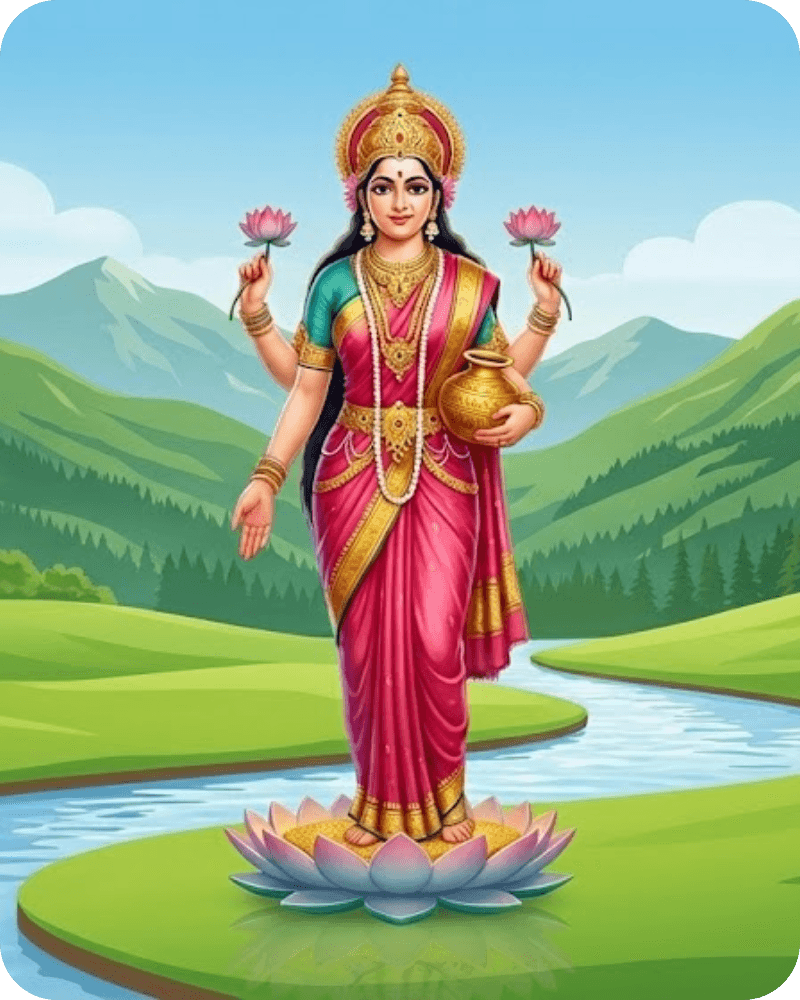
During your snanam or bath, take some water in your hands and invoke the holy rivers into that water. Then sprinkle on yourself
gaṅge ca yamune kṛṣṇe godāvari sarasvati |
narmade sindhu kāveri jale'smin sannidhiṃ kuru ||
gaṅge ca yamune ca eva godāvari sarasvati - To the holy river Goddesses Ganga, Yamuna, Godavari, and Saraswati, narmade sindhu kāveri – and also Narmada, Sindhu, and Kaveri, jale asmin – in this water, sannidhiṃ kuru – please be present (and make it holy)
O Holy River Goddesses Ganga, Yamuna, Godavari, Saraswati, Narmada, Sindhu, Kaveri, please be present in this water and make it holy.
Note: While these holy rivers have physical forms present across India (and you should visit these punyateerthas when you get a chance to), invoking their holy names and asking their presence in your bath water to make it holy, helps purify both your mind and body.

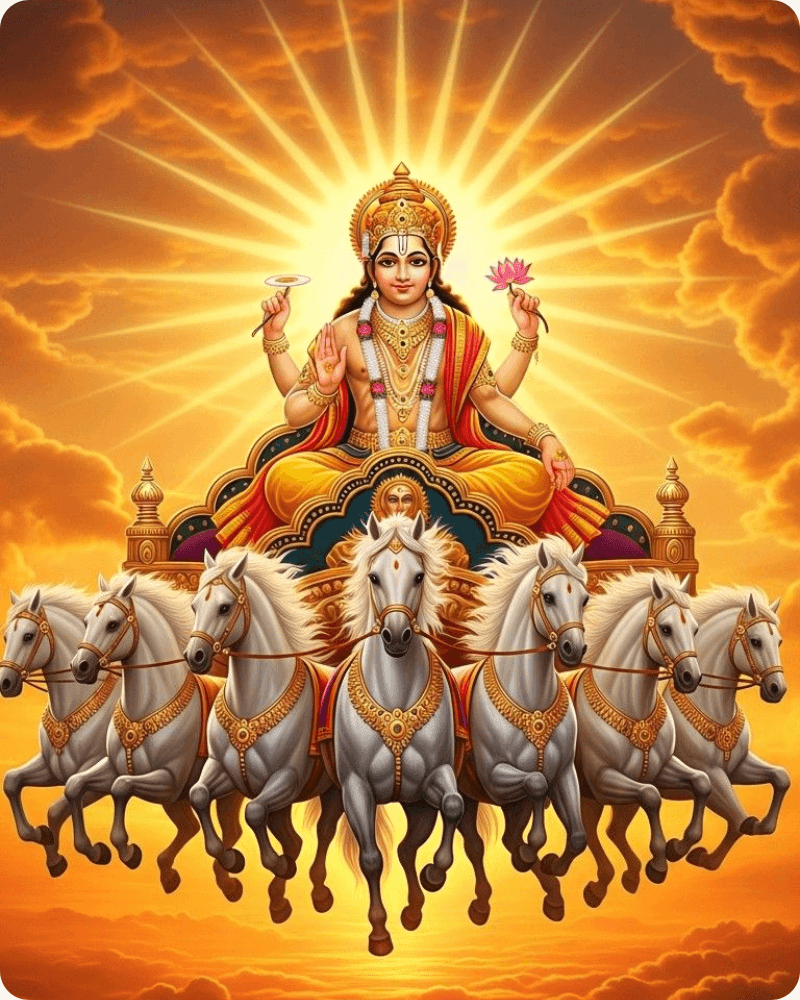
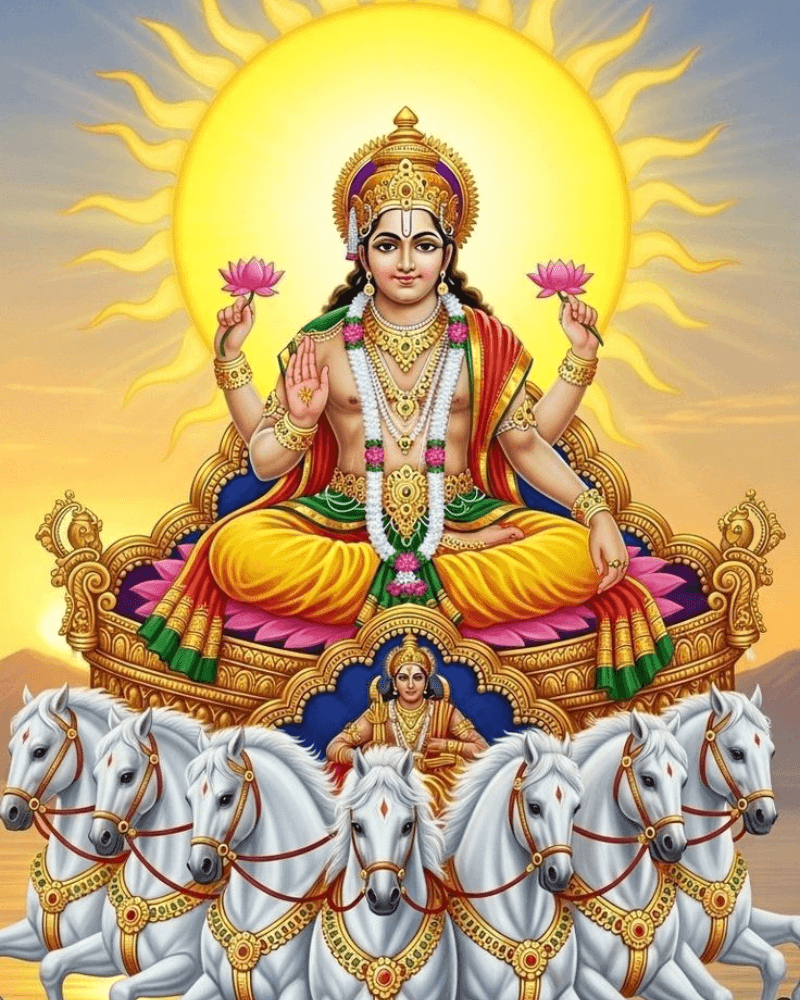
Pray to Aditya, the Sun God, for Strength, Clarity, and Steady Victory
āditya-hṛdayaṃ puṇyaṃ sarva-śatru-vināśanam |
jayāvahaṃ japen nityam akṣayyaṃ paramaṃ śivam ||
āditya-hṛdayam – the "Heart of the Sun" stotram; puṇyam – sacred/meritorious; sarva-śatru-vināśanam – destroys all enemies or difficulties; jaya-avaham – brings victory; japet – reciting; nityam – daily/regularly; akṣayyaṃ – unfailing; paramam śivam – supreme good, supreme auspiciousness.
The Āditya Hṛdayam is sacred and removes all obstacles or difficulties. Reciting it brings steady strength and victory, and leads to unfailing goodness and well-being.
Note: This verse teaches that remembering the Sun as a source of light, strength, and clarity helps us face challenges and stay steady and confident.
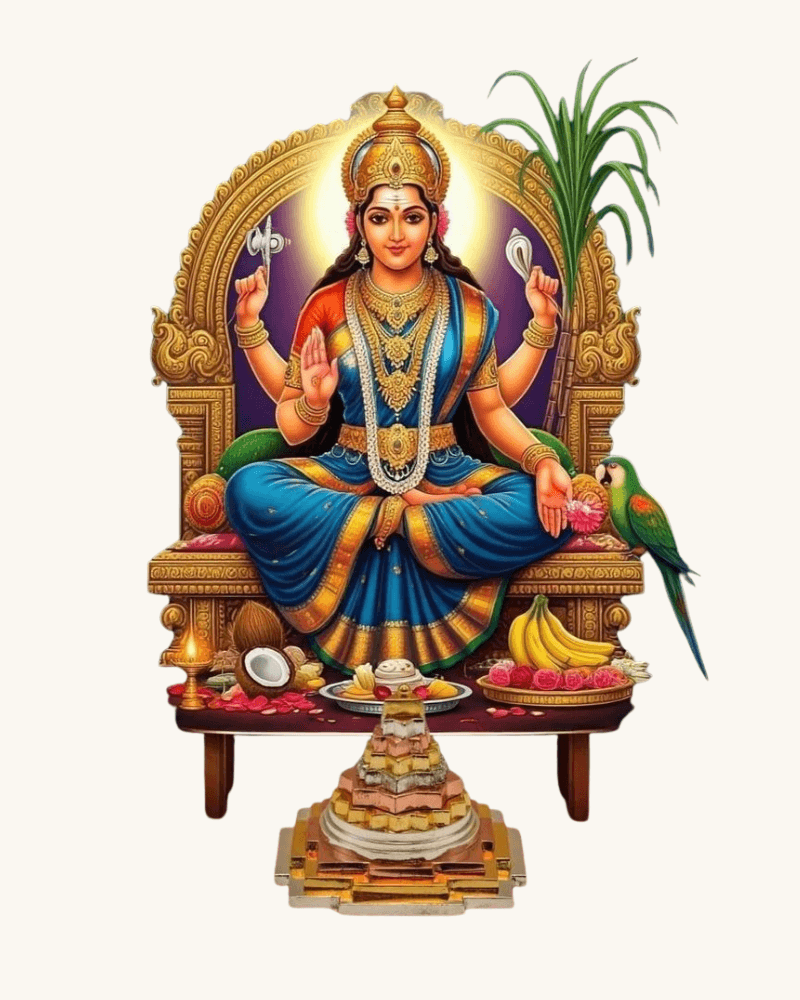
Śloka Gāyatri - Pray to Ādi Pāraśakti, the Supreme Goddess to inspire our Intelligence
sarva caitanya rūpāṃ tām ādyāṃ vidyāṃ ca dhīmahi |
buddhiṃ yā naḥ pracodayāt ||
sarva-caitanya-rūpām – the one who is the form of all consciousness; tām – her; ādyām – the primordial one; vidyām – knowledge; dhīmahi – we meditate upon; buddhiṃ – understanding, intelligence; yā – who; naḥ – for us; pracodayāt – may she inspire or guide.
We meditate on the Supreme Goddess, Ādi Pāraśakti, who is the source of all awareness and the first form of knowledge. May she inspire and guide our intelligence.
Pray to Savitā for Clear, Right-Guided Thinking
yo devaḥ savitā'smākaṃ dhiyo dharmādi-gocarāḥ |
prerayet tasya yad bhargastad vareṇyam upāsmahe ||
yaḥ devaḥ – that divine one; savitā – the Sun as the inspirer; asmākam – our; dhiyaḥ – thoughts/understanding; dharma-ādi-gocarāḥ – directed toward dharma and good actions; prerayet – may he inspire; tasya yat bhargaḥ – that radiance/inner light of his; tat vareṇyam – that noble, worthy light; upāsmahe – we meditate upon or seek.
We meditate upon the noble and worthy radiance of Savitā, the divine Surya Bhagavān, whose light guides our thoughts toward dharma and good actions. May that inner light inspire our understanding.
Note: Savitā is the Sun when it rises and fills everything with fresh light and energy. This verse asks Surya Bhagavān's bright and steady light to guide our thoughts toward good choices and kind actions.
Before starting any work, we pray to Gaṇeśa
vakratuṇḍa mahākāya sūryakoṭi samaprabha |
nirvighnaṃ kurume deva sarvakāryeṣu sarvadā||
vakra-tuṇḍa – with a curved trunk, mahā-kāya – great, large form, sūrya-koṭi sama-prabha – with the brilliance like a crore Suns, kuru me deva – please make (bless), O my Deva, sarva-kāryeṣu sarvadā – all my work all the time, nir-vighnaṃ – without any obstacles or vighnas.
We worship Gaṇeśa who has a curved trunk, who has a great form with brilliance like a crore Suns, O Deva, please always (bless me to) make my work free of obstacles.
Before any studies, we pray to Sarasvatī Devī
sarasvatī namastubhyaṃ varade kāmarūpiṇi |
vidyārambhaṃ kariṣyāmi siddhirbhavatu me sadā || 10
sarasvatī – Saraswati Devi, namas tubhyam – I bow to you; varade – giver of blessings; kāma-rūpiṇī – one who takes the form needed to grant good wishes; vidyā-ārambham – beginning learning; kariṣyāmi – I am starting; siddhiḥ bhavatu me sadā – may I always succeed.
I pray to Saraswati Devi, the one who gives blessings and takes the form needed to grant good wishes. As I begin my learning, may I gain understanding and succeed in what I study.
Saraswati Devi is called kāmarūpiṇī because she can take whatever form is needed to help us learn. She is not only in the knowledge we study in books. She is present in art, music, dance, speech, and every kind of learning and creativity.

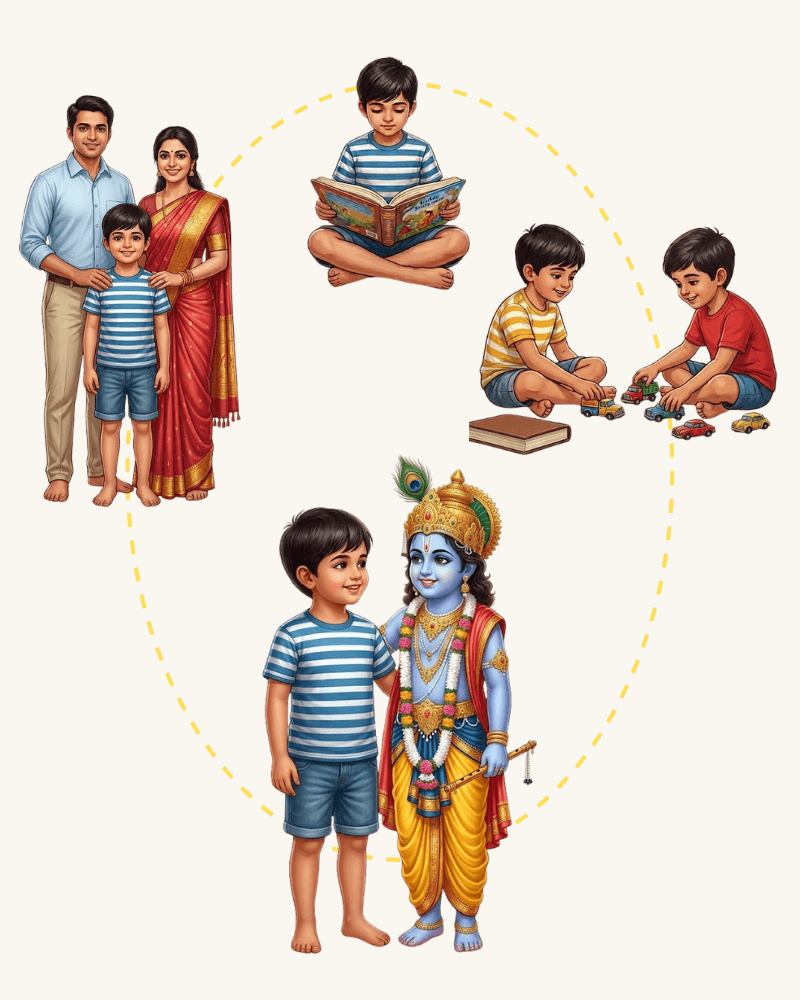
Express your devotion to your Iṣṭa-devatā or Guru
tvameva mātā ca pitā tvameva | tvameva bandhuśca sakhā tvameva |
tvameva vidyā draviṇaṃ tvameva | tvameva sarvaṃ mama devadeva ||
tvam-eva – you alone, mātā – mother, pitā – father, bandhuḥ – relative, sakhā – friend, vidyā – knowledge, draviṇam – wealth/support, sarvam – everything, mama – for me, deva-deva – O God of all Gods.
You alone are my mother and father. You alone are my family and friend. You alone are my knowledge and support. You are everything for me, O divine one.
Notes: This śloka shows how we can see what is most important to us (mother, father, family, friends, our studies and all the things we need) in our Iṣṭa-devatā or favorite God. Another way to see it is that the same God is present around you in every way - in your mother, father, family, friends, our studies and all the things we need.
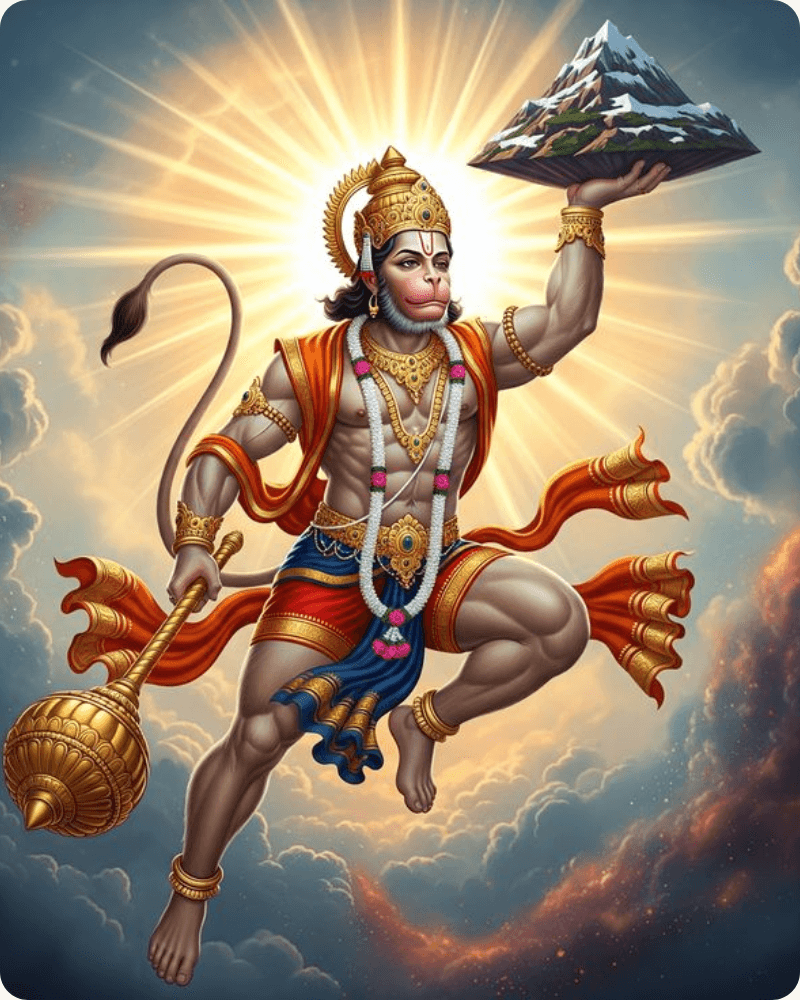
Pray to Hanumān for Courage and Victory
manojavaṃ māruta-tulya-vegaṃ jitendriyaṃ buddhimatāṃ variṣṭham |
vātātmajaṃ vānarayūthamukhyaṃ śrīrāmadūtaṃ śirasā namāmi ||
manojavam – as swift as the mind; māruta-tulya-vegam – fast like the wind; jitendriyam – master of the senses; buddhimatām variṣṭham – the best among the wise; vātātmajam – son of the wind-god; vānarayūtha-mukhyam – leader among the vānaras; śrī-rāma-dūtam – messenger of Shri Rama; śirasā namāmi – I bow with my head.
I bow to Hanumān, swift as the mind and fast as the wind, master of his senses, highest among the wise, son of the wind-god, leader of the vānaras, and the devoted messenger of Shri Rāma.
Notes: This verse praises Hanumān for his speed, strength, self-control, and clear thinking. He uses all his abilities to help and protect, which is why we pray to him as a model of courage, focus, and dedication.
Pray to Śrī Rāma for Guidance and Protection
rāmāya rāmabhadrāya rāmacandrāya vedhase |
raghunāthāya nāthāya sītāyāḥ pataye namaḥ ||
rāmāya – to Rāma; rāmabhadrāya – auspicious Rāma; rāmacandrāya – moon-like Rāma; vedhase – creator/intelligent one; raghunāthāya – Lord of the Raghu lineage; nāthāya – the protector; sītāyāḥ pataye – husband of Sītā; namaḥ – my salutations.
Salutations to Shri Rāma: the auspicious one, the gentle and radiant one, the wise one, Lord of the Raghu family, protector of all, and husband of Sītā Devi.
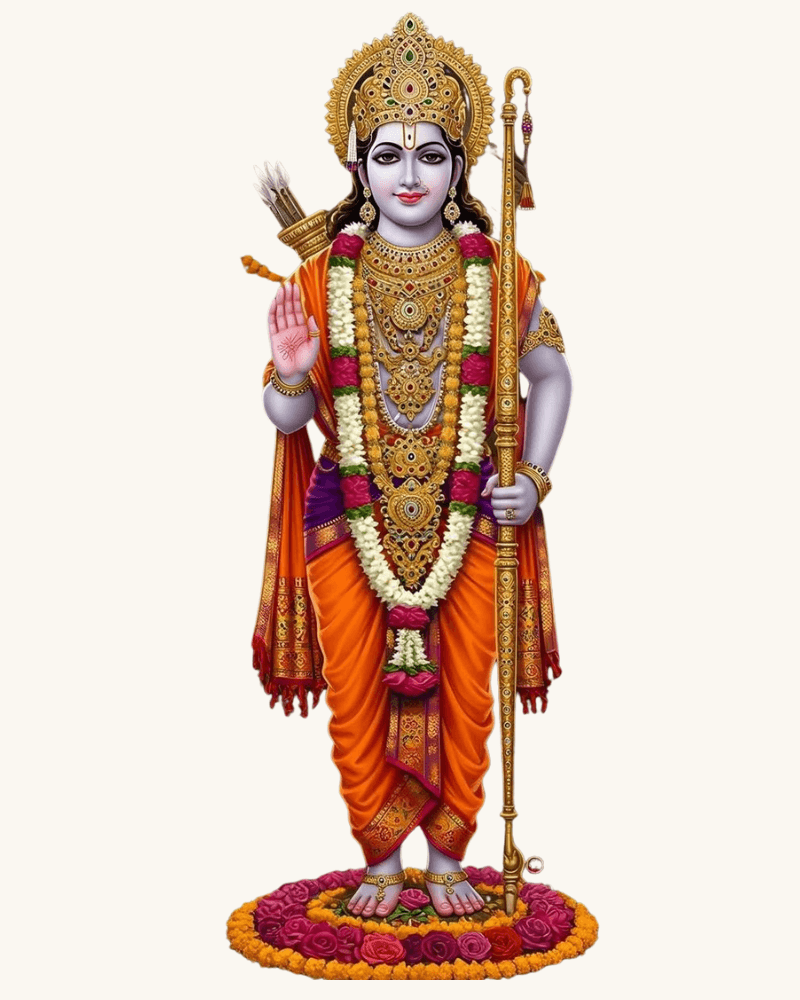
Honor Sage Vālmīki, the Poet who wrote Rāmayana
kūjantaṃ rāma-rāmeti madhuraṃ madhurākṣaram |
āruhya kavitā-śākhāṃ vande vālmīki-kokilam ||
kūjantam – singing; rāma-rāma-iti – "Rāma, Rāma"; madhuram – sweetly; madhura-akṣaram – with sweet syllables; āruhya – perched upon; kavitā-śākhām – the branch of poetry; vande – I bow to; vālmīki-kokilam – the nightingale Valmīki.
I bow to Sage Vālmīki, the nightingale of poetry, who sings "Rāma, Rāma" in sweet and beautiful words as he sits on the branch of poetry.
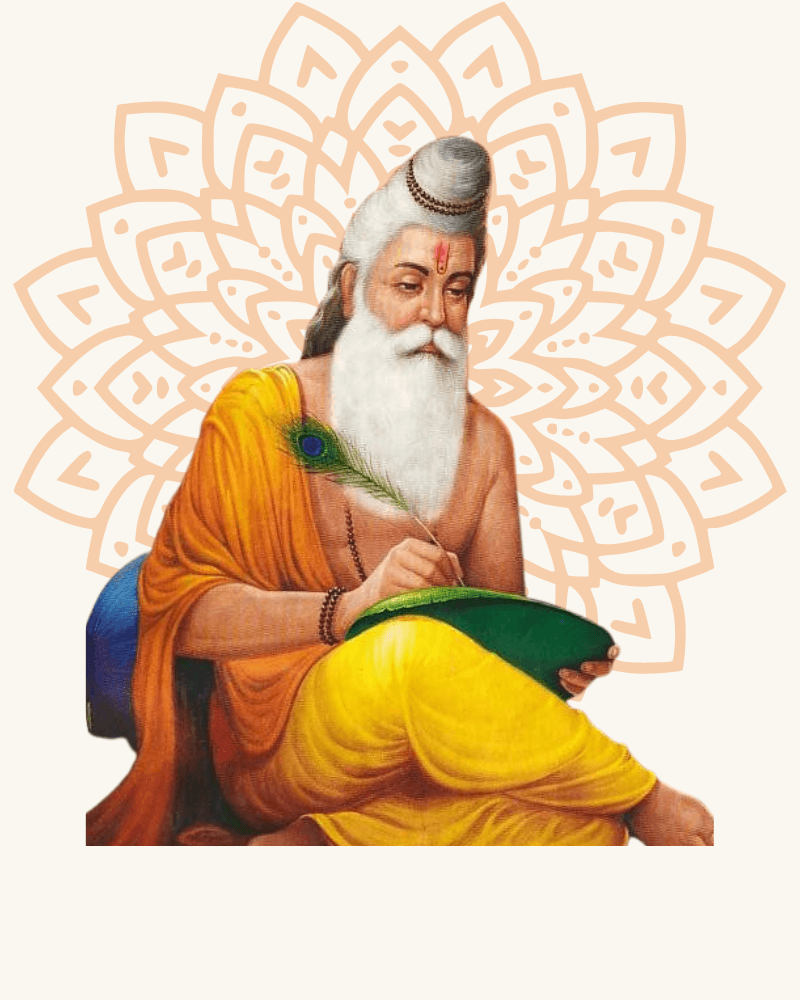
Pray to Śrī Rāma to Remove Difficulties
āpadām-apahartāraṃ dātāraṃ sarva-sampadām |
lokābhirāmaṃ śrīrāmaṃ bhūyo bhūyo namāmyaham ||
āpadām apahartāram – remover of troubles; dātāram – giver; sarva-sampadām – of all well-being; lokābhirāmam – loved by all people; śrī-rāmam – Shri Rāma; bhūyaḥ bhūyaḥ – again and again; namāmi aham – I bow.
I repeatedly bow to Shri Rāma, who removes difficulties, gives all forms of well-being, and is loved by everyone.
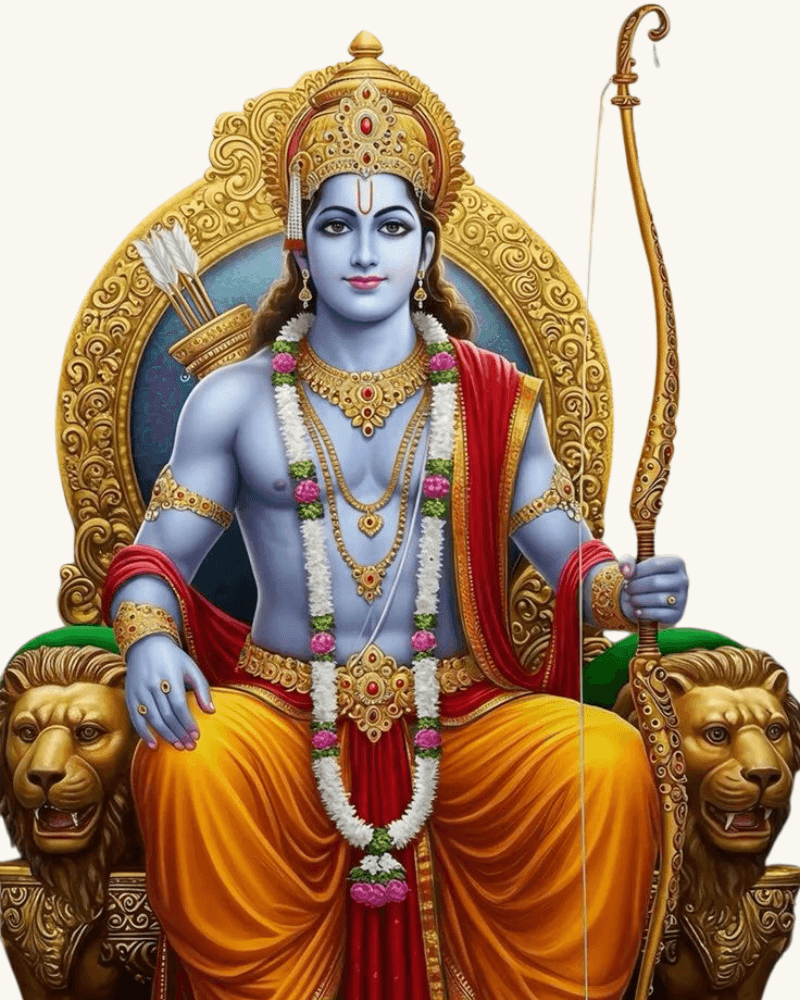
Pray to Hanumān for Strength, Focus, and Courage
buddhir balaṃ yaśo dhairyaṃ nirbhayatvam arogatā |
ajāḍhyaṃ vākpaṭutvaṃ ca hanumat smaraṇād bhavet ||
buddhiḥ – clear thinking; balam – strength; yaśaḥ – good reputation; dhairyam – courage; nirbhayatvam – fearlessness; arogatā – health; ajāḍhyam – alertness, sharpness; vāk-paṭutvam – skill in speaking; hanumat-smaraṇāt – by remembering Hanuman; bhavet – arises/comes.
By remembering Hanumān, clear thinking, strength, good character, courage, fearlessness, good health, alertness, and the ability to speak well all arise.
Note: This verse teaches that thinking of Hanumān helps us build qualities like focus, courage, health, and confidence in how we speak — qualities that help us in daily life.
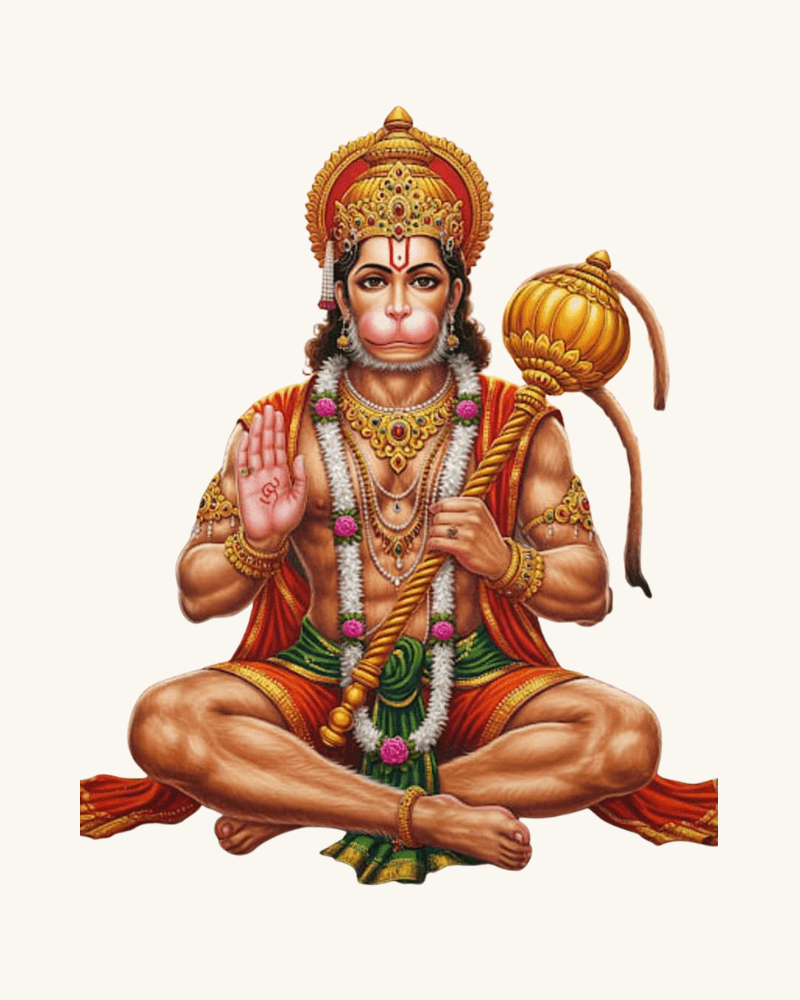
Sarvatra Brahma darshanam - See the Supreme Parabrahman in everything
Bhojana pūrva ślokaḥ - Recite before eating
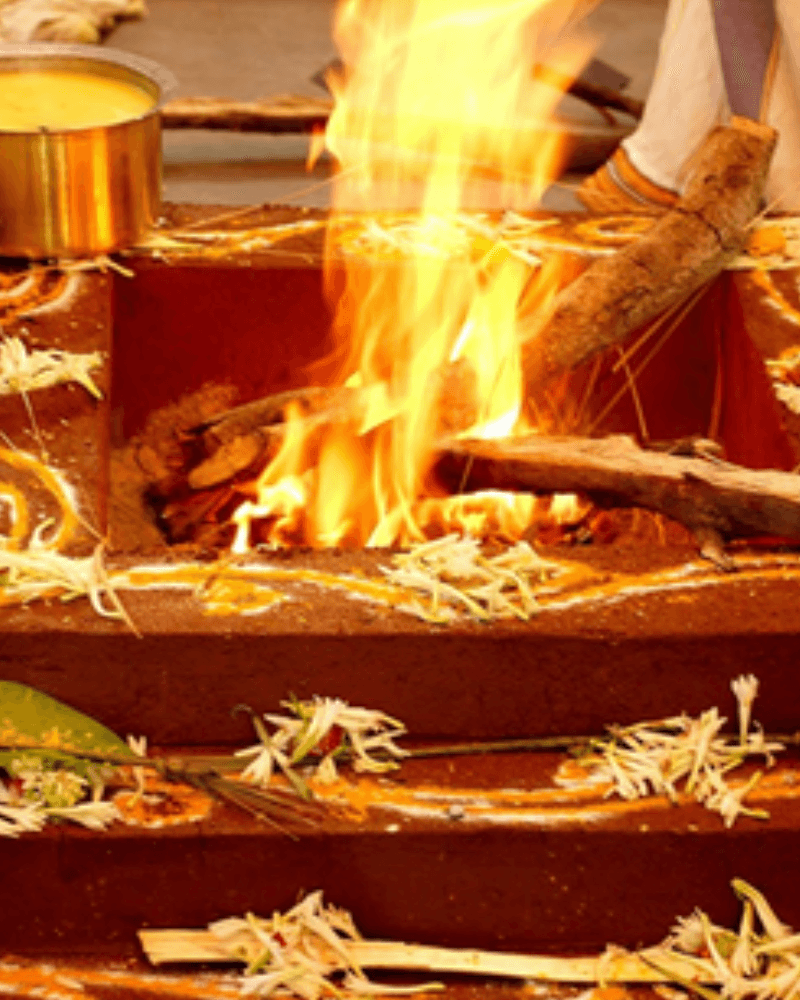
brahmārpaṇaṃ brahma-havir brahmāgnau brahmaṇā hutam |
brahmaiva tena gantavyaṃ brahma-karma-samādhinā ||
brahma-arpanam – the offering is Brahman; brahma-havis – the oblation is Brahman; brahma-agnau – in the fire which is Brahman; brahmaṇā hutam – offered by one who sees Brahman; brahma eva tena gantavyam – he reaches Brahman alone; brahma-karma-samādhinā – through steadiness in actions done with this understanding.
The offering is Brahman, the oblation is Brahman, the sacred fire is Brahman, and the act of offering is done by one who understands everything as Sarvatra Brahman. With this steady awareness, one reaches the highest truth.
Note: Bhagavan ŚriKrśna says this to Arjuna in the 4th adhyaya, 24th śloka of Śrimad Bhagavad Gita.
Nārāyaṇā samarpaṇa ślokam - offer all my actions to Nārāyaṇā
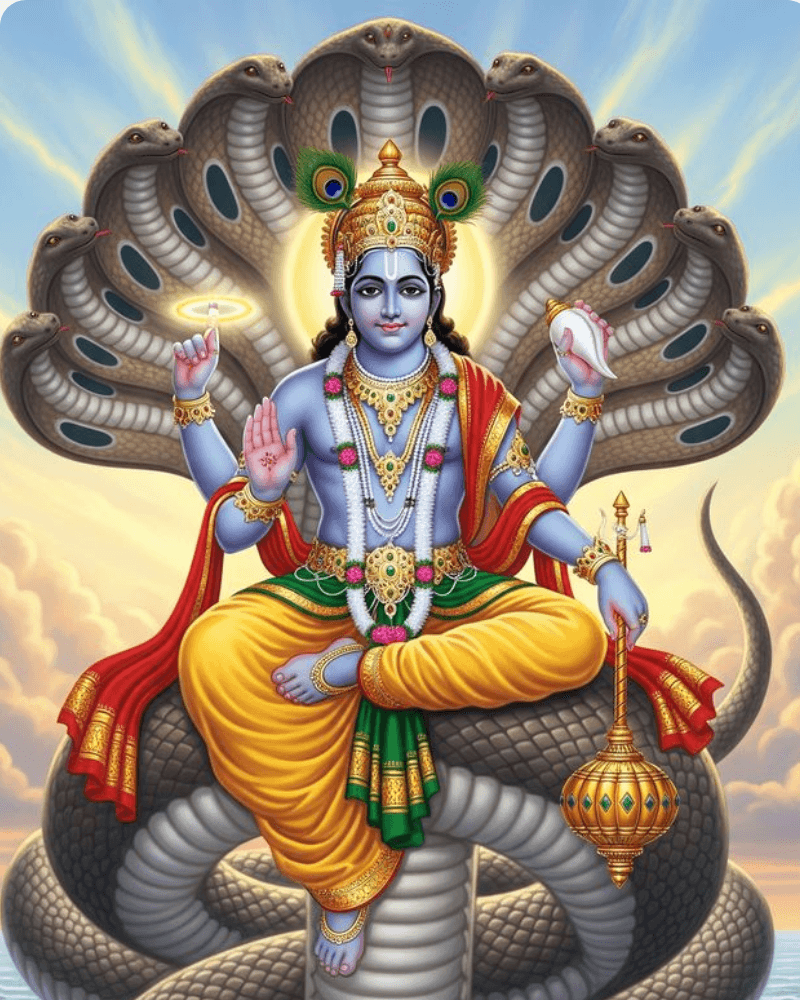
kāyena vācā manasendriyair vā buddhyātmanā vā prakṛteḥ svabhāvāt |
karomi yadyat sakalaṃ parasmai nārāyaṇāyeti samarpayāmi ||
kāyena – by the body; vācā – by speech; manasā – by mind; indriyaiḥ – by the senses; vā – or; buddhyā – by understanding; ātmanā – by my inner self; prakṛteḥ svabhāvāt – by my natural tendencies; karomi yat yat – whatever I do; sakalam – everything; parasmai nārāyaṇāya – to the Supreme Nārāyaṇa; iti samarpayāmi – I offer/dedicate.
Whatever I do through my body, speech, mind, senses, understanding, or natural tendencies, I offer everything to the Supreme Nārāyaṇa.
Remember the Great Protectors for Peaceful Sleep
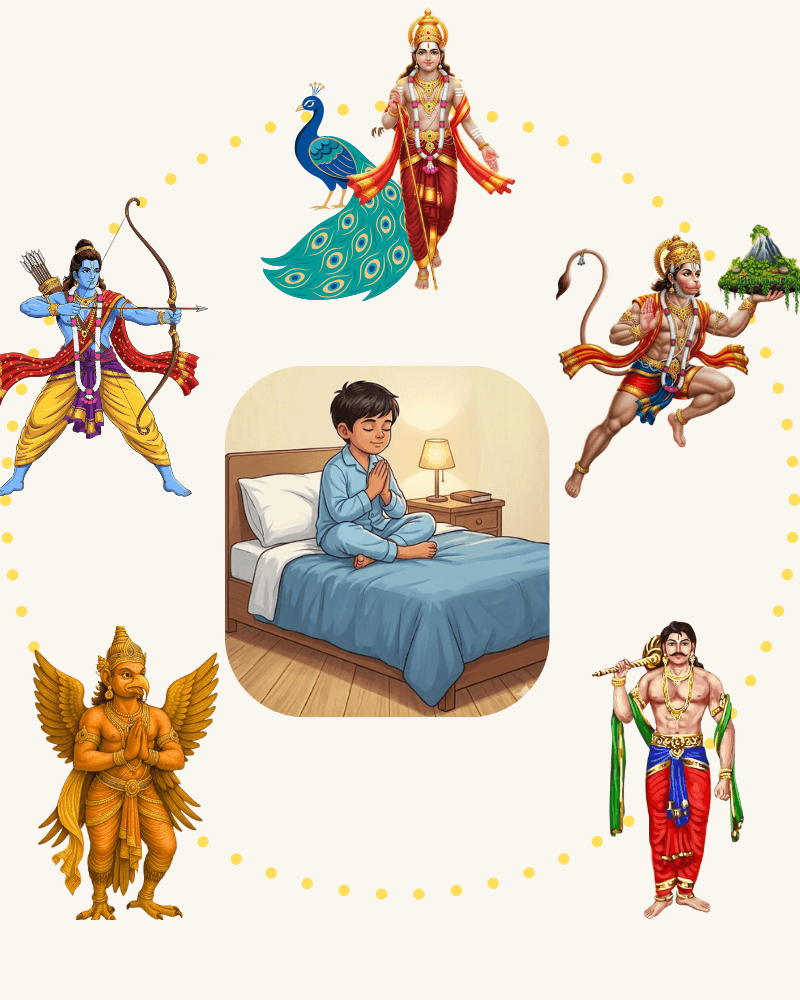
rāmaṃ skandhaṃ hanumantaṃ vainateyaṃ vṛkodaram |
śayane yaḥ smare nityaṃ duḥsvapnas tasya naśyati ||
rāmam – Rāma; skandham – Skanda/Kārtikeya; hanumantam – Hanumān; vainateyam – Garuḍa, son of Vinatā; vṛka-udaram – Bhīma the one with the stomach or appetite of a wolf; śayane – while lying down/to sleep; yaḥ – whoever; smaret – remembers; nityam – regularly; duḥsvapnaḥ – bad dreams; tasya – for that person; naśyati – disappear.
Whoever remembers the greatest of warriors Rāma, Skanda (Kārtikeya or Subramanya) the Deva-senāpati or the commander of the army of the devas, Hanumān, Garuḍa (son of Vinata), and Bhīma (who has the stomach or appetite of a wolf) before going to sleep will be protected from bad dreams.
Birthday Wishes for a Long, Joyful, and Meaningful Life
janmadinam idam ayi priya sakhe | śan tanotu te sarvadā mudam ||
prārthayāmahe bhava śatāyuṣī | īśvaraḥ sadā tvāṃ ca rakṣatu ||
puṇya-karmaṇā kīrtim arjaya | jīvanaṃ tava bhavatu sārthakam ||
janmadinam idam ayi priya sakhe | śan tanotu te sarvadā mudam ||
janma-dinam idam – this birthday; ayi priya sakhe – O dear friend; śam – well-being, peace; tanotu – may it spread; te – to you; sarvadā – always; mudam – joy; prārthayāmahe – we pray; bhava śata-āyuṣī – may you live a full, long life; īśvaraḥ – the Lord; sadā – always; tvām cha rakṣatu – protect you; puṇya-karmaṇā – through good actions; kīrtim arjaya – earn good name; jīvanam tava – your life; bhavatu sārthakam – may it be meaningful.
O dear friend, on this birthday, may peace and joy be with you always. We pray that you live a long life and may the Lord always protect you. Through good actions may you earn a good name, and may your life be meaningful. On this birthday, may happiness and well-being continue to grow for you.